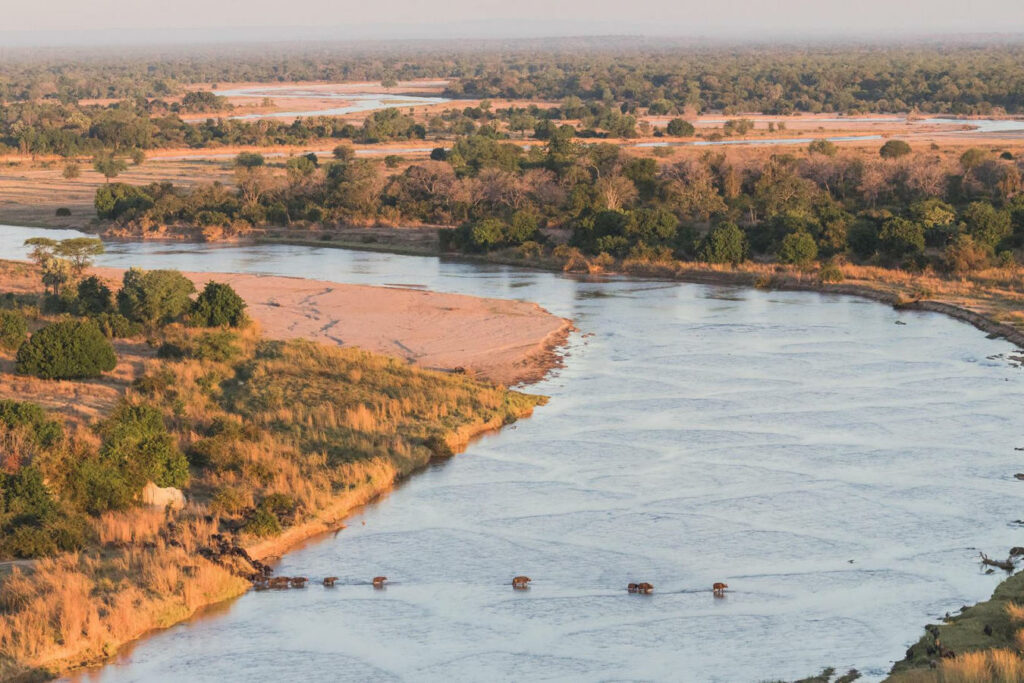
When people think of Zambia’s Luangwa Valley, they often picture untamed wilderness, thriving wildlife, and a safari experience like no other. Yet the history of North Luangwa National Park tells a deeper, more complicated story — one that highlights what happens when accountability is either absent or firmly in place.
When accountability is missing
In the 1970s and 80s, North Luangwa suffered catastrophic wildlife losses. Elephants were slaughtered by the thousands for ivory, and black rhinos were hunted to local extinction. Rangers were poorly supported, corruption weakened enforcement, and poachers operated with near impunity. This was what happens when humans are left to their own devices — passionate individuals may have cared, but without strong structures of governance, the result was devastation.
The turning point
In the mid-1980s, the North Luangwa Conservation Programme (NLCP) was launched, led by the Frankfurt Zoological Society in partnership with Zambia’s wildlife authority. Suddenly, accountability took center stage:
- Rangers received training and resources.
- Anti-poaching patrols were supported by intelligence networks.
- Communities were brought into the conservation process.
- Transparent reporting ensured local and international oversight.
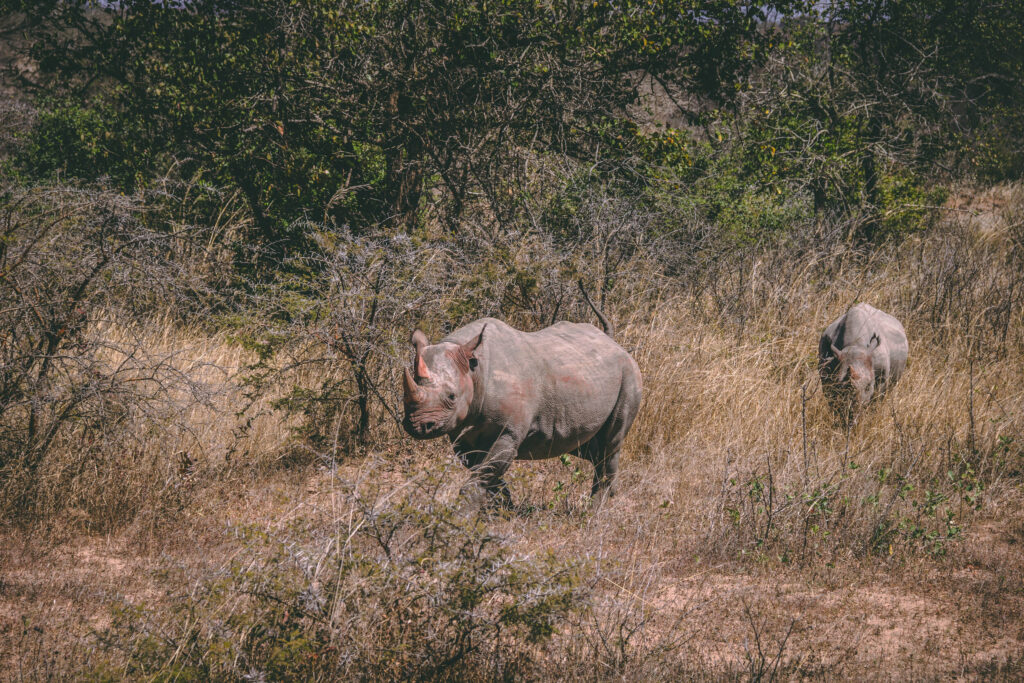
The transformation was profound. Elephant numbers stabilized. In 2003, black rhinos were reintroduced, marking one of Africa’s most ambitious recovery stories.

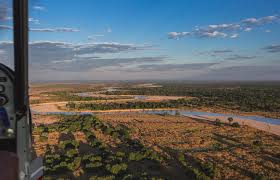
The role of tourism and safari lodges
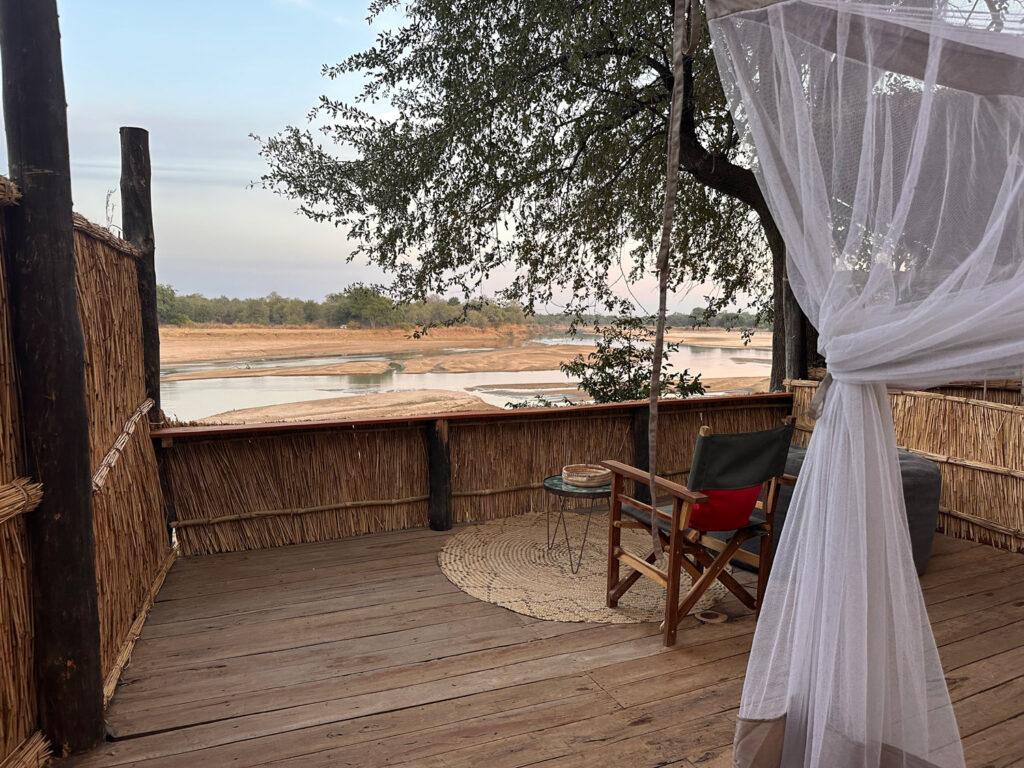
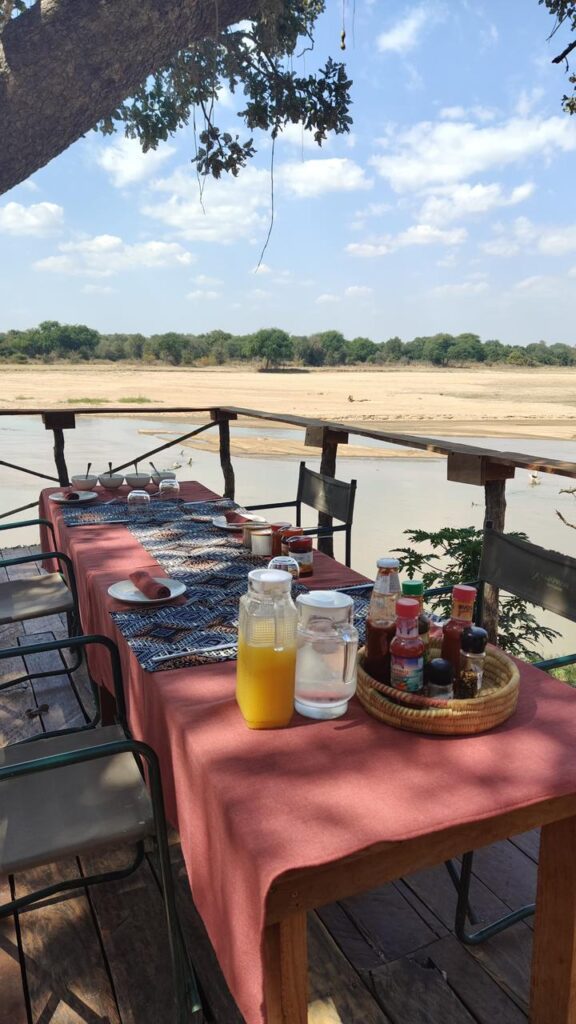
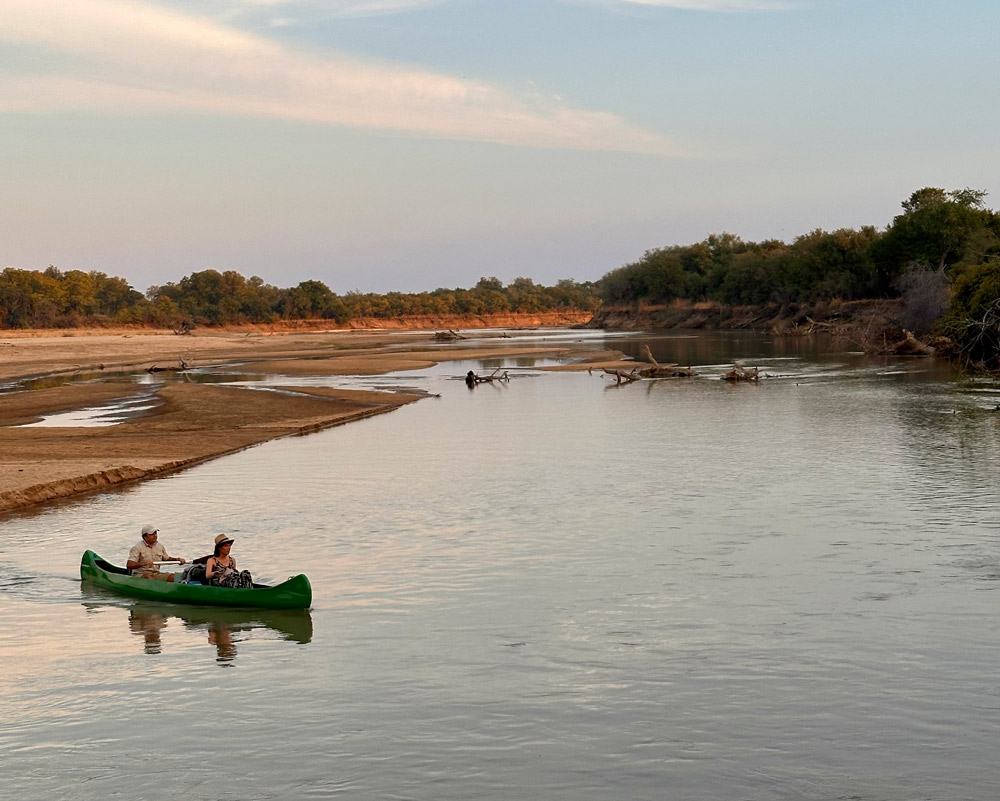
Tourism became a cornerstone of North Luangwa’s revival. The growth of safari lodges and camps around the park has had a direct positive impact:
- Employment and livelihoods: Lodges provide stable jobs in remote areas where opportunities are scarce, helping local communities see tangible benefits from conservation.
- Revenue for conservation: Park fees and conservation levies collected through safari tourism directly fund ranger patrols, community projects, and park infrastructure.
- Education and awareness: Guests who visit often become lifelong ambassadors for Zambia’s wilderness, sharing its story internationally and contributing to conservation NGOs.
- Community partnerships: Many lodges invest in schools, healthcare, and small business initiatives, strengthening the link between conservation and development.
Tourism hasn’t just showcased North Luangwa to the world — it has created the financial and social incentives that help ensure the park’s survival.
Complications and lessons learned
North Luangwa’s history also includes more controversial chapters — such as the time when the American conservationists Delia and Mark Owens operated in the park. Their dedication to protecting wildlife was undeniable, but the lack of clear oversight and community accountability led to lasting controversy. It was a reminder that even the most passionate individuals need transparent systems around them.
Today’s North Luangwa
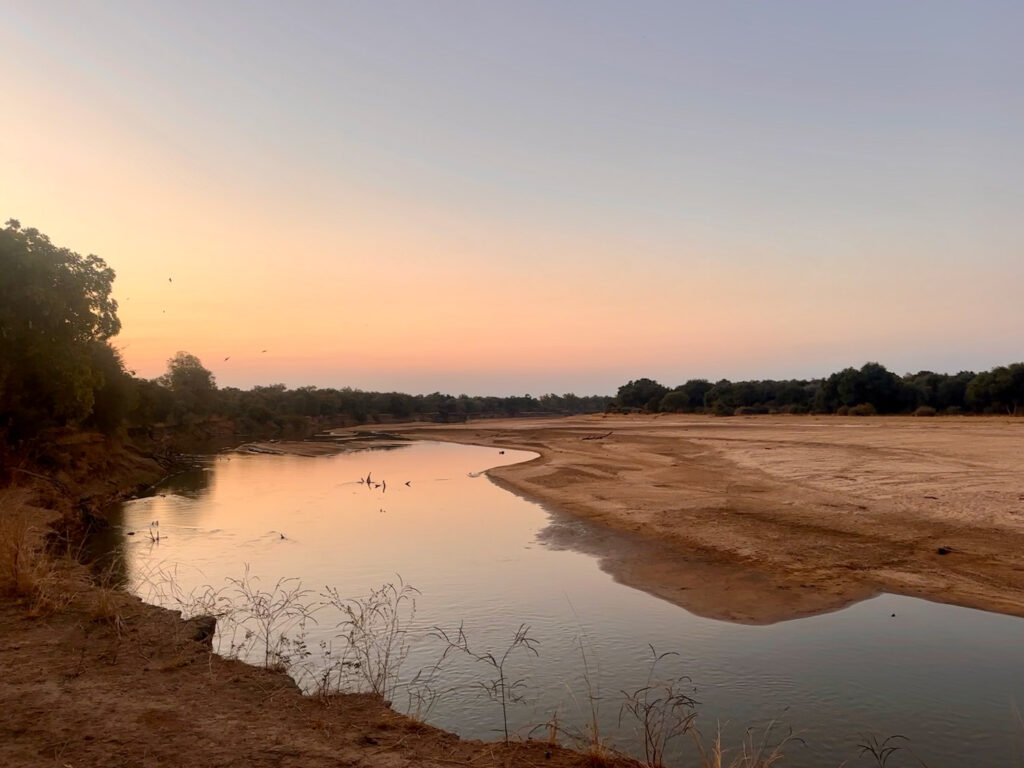
Fast-forward to the present, and North Luangwa has become a global model of recovery. In 2022, it was awarded a place on the IUCN Green List of Protected Areas, recognized for its effective management, community partnerships, and the integration of sustainable tourism.
The story of the park shows us both extremes:
- Without accountability: collapse, extinction, and loss.
- With accountability and tourism: resilience, recovery, and hope.
For conservation to succeed — in Africa and beyond — passion alone is not enough. We need structures, laws, and community-led approaches that ensure wildlife, people, and future generations all benefit. And when tourism plays its part responsibly, it becomes a powerful force in making that future possible.